

Commercial Design
Commercial Design: Clinic Renovation
Project Type: Commercial Design
Project Description
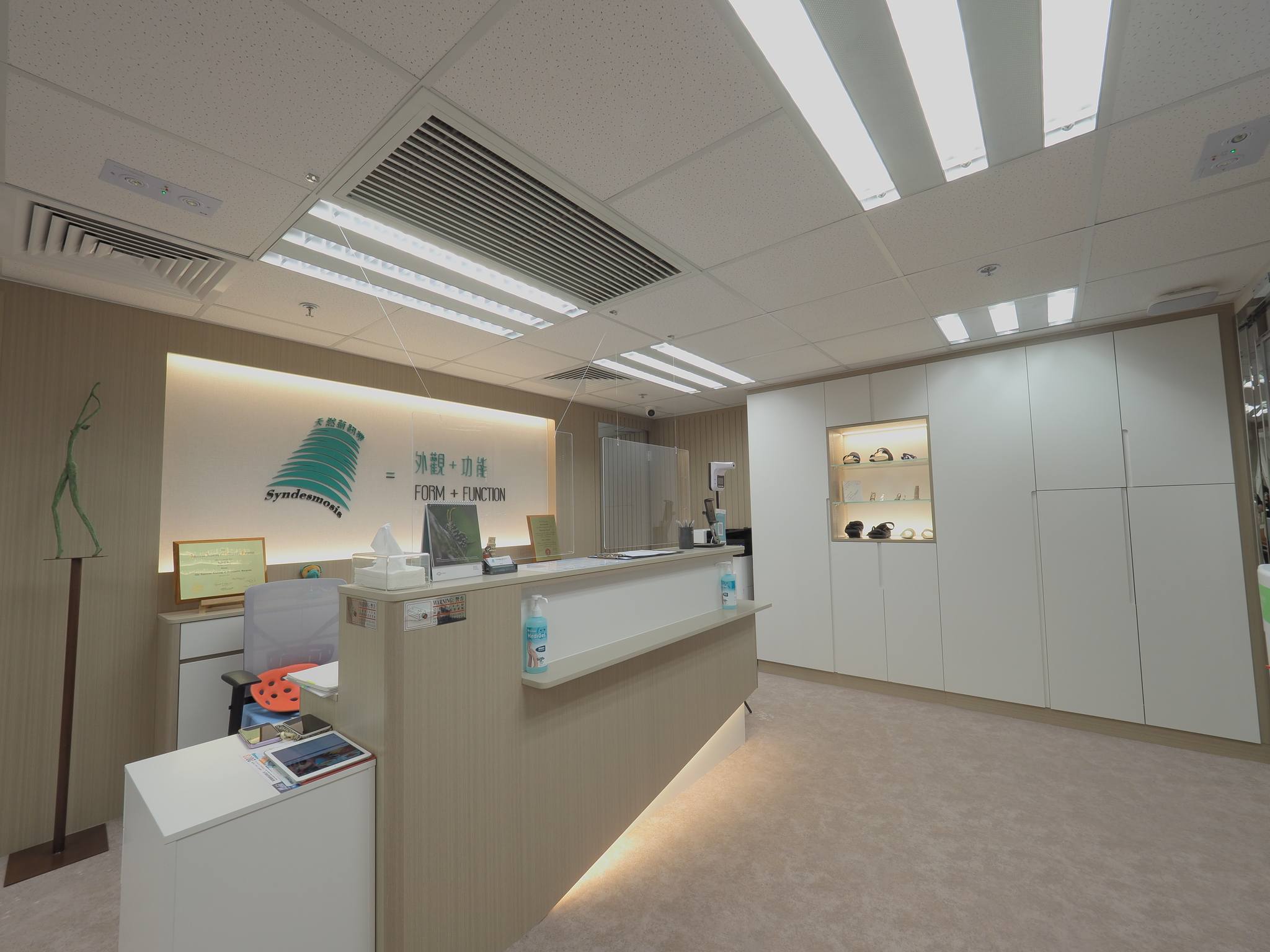
The interior design of private clinics or medical-related institutions pays special attention to hygiene and practicality of space. In addition to providing basic diagnostic services, today's private clinics are more likely to have equipment for minor surgeries or X-ray examinations. For this hospital's clinic renovation project, the interior designer tried to balance the work needs of doctors, the convenience of patients, and the environment inside the clinic to create a comfortable space for treatment and treatment.
The first is the design of the clinic’s consulting room and X-ray room. Since private clinics provide examination and X-ray examination services, the internal setting of the clinic becomes very important. The clinic must strictly control environmental hygiene, and the X-ray room also needs to be approved by the Hong Kong Radiation Authority because radiation will be emitted when using X-ray equipment. Therefore, during decoration, designers will use lead sheets to enclose the walls and doors of the X-ray room to avoid radiation leakage.
Secondly, in terms of circulation and space planning, designers also pay great attention to the patient experience. The aisles and corners in the clinic should not be too narrow to facilitate the entry and exit of wheelchair users. At the same time, it will also avoid the appearance of three-pointed and eight-pointed spaces, making cleaning more convenient. In terms of space planning, at first, doctors hoped to have multiple main consulting rooms connected to the X-ray room to facilitate work. However, this flat design may cause inconvenience to patients. For example, it is inconvenient for people in wheelchairs to switch to flat rooms, or it may easily collide with users in the next room. Therefore, the designer finally decided to disperse the rooms in different locations, which can not only take care of the needs of patients, but also avoid collision due to circulation problems.
In addition to circulation and space planning, material selection is also one of the key points. In the past, clinic renovations often used materials that easily trap dirt or dust, such as wallpaper and carpets. However, with the advancement of technology, there are now more new materials suitable for use in clinics, making it easier for clinics to meet strict hygiene standards.
In addition to considering medical functions, the design of clinic decoration also needs to take into account its aesthetics. For example, the walls of the clinic are designed in soft colors to create a comfortable treatment environment and help patients relax. The designer also uses uniform lighting to avoid dazzling glare and provide the entire clinic with sufficient light.
In summary, clinic decoration design needs to balance many factors. It must not only take care of the work needs of doctors, but also meet the needs of patients, while also taking into account aesthetics and hygiene standards. In this clinic decoration project, the designer achieved a perfect balance in these aspects to provide users with a practical and comfortable medical environment.